

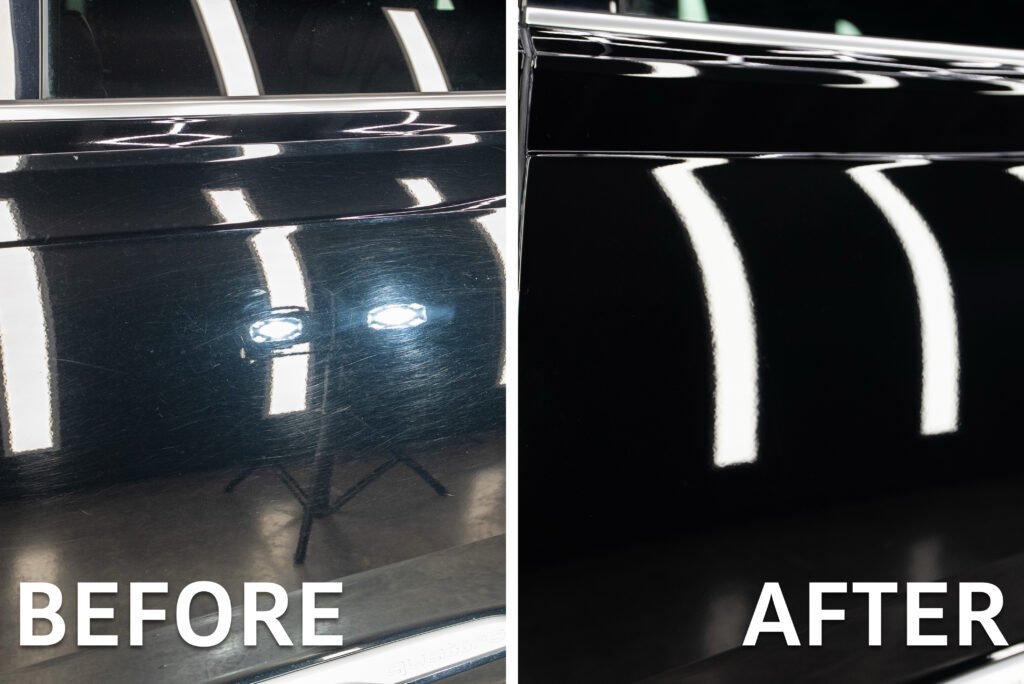
Your vehicle’s paint can lose some of its clarity and shine over time. Swirl marks, light scratches, haze, and other imperfections can become more noticeable, especially when sunlight hits the paint.
If you’ve noticed these issues on your vehicle, you may be wondering whether detailing is enough or if it’s time to consider paint correction.
Paint correction is designed to address imperfections in a vehicle’s painted surface and restore a cleaner, more refined finish. But how do you know when your vehicle actually needs it?
What Is Paint Correction?
According to XPEL, paint correction is a process used by professional detailers to restore or rejuvenate automotive paint by polishing away surface imperfections.
These imperfections can include:
- Swirl marks
- Light scratches
- Clear coat haze
- Sun damage
- Etching caused by contaminants such as bugs, bird droppings, or acid rain
The amount of correction a vehicle needs can vary based on the condition of its paint. XPEL describes different levels of correction ranging from a finishing polish for vehicles with little or no visible damage to more involved processes for vehicles with heavier swirl marks, scratches, and other surface defects.
Sign #1: You Notice Swirl Marks in the Paint
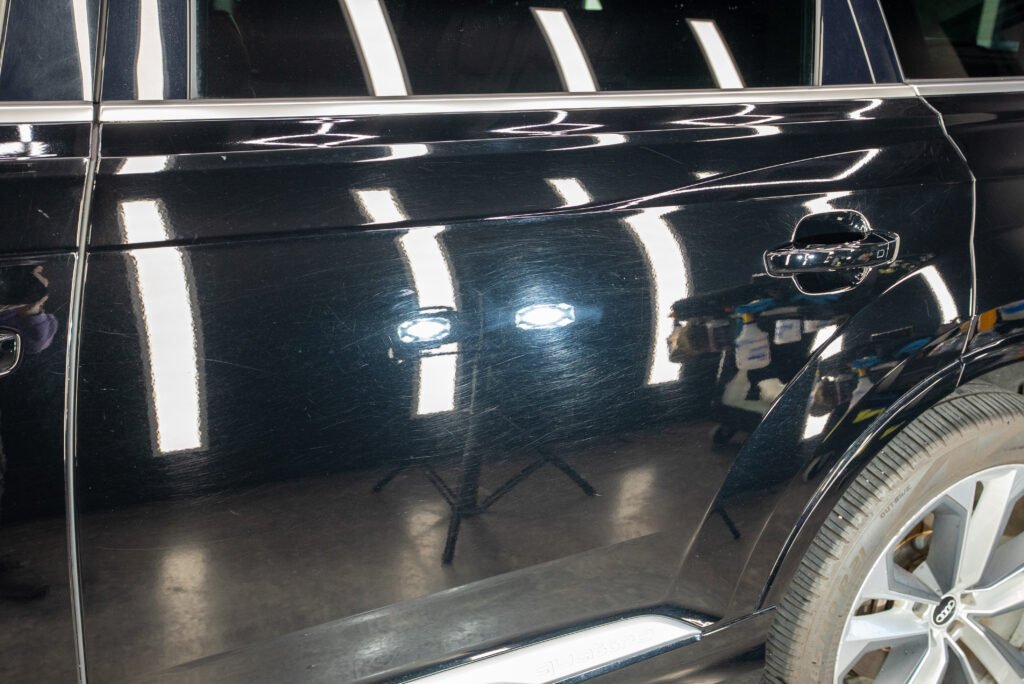
Swirl marks are one of the most recognizable signs that your vehicle’s finish may benefit from paint correction.
They often become especially noticeable when the vehicle is sitting in direct sunlight or underneath bright lighting. Instead of seeing a clear reflection across the paint, you may notice fine circular marks across the surface.
XPEL notes that vehicles with visible swirl marks and light scratches may require a more involved correction process using different polishing compounds and pads to address the imperfections and refine the finish.
Sign #2: Your Vehicle Has Light Scratches
Not every scratch means your vehicle needs to be repainted.
Paint correction can address certain light scratches and surface imperfections through polishing. The appropriate correction process depends on the severity and condition of the paint.
Deeper damage, however, may require a different approach. This is one reason having the paint professionally assessed is important before deciding how much correction should be performed.
Sign #3: The Paint Looks Hazy or Lacks Clarity
Your vehicle can be clean and still have paint that doesn’t look as clear or reflective as it once did.
XPEL identifies clear coat haze as one of the imperfections that paint correction can address. Polishing and refining the surface can help restore clarity to paint affected by correctable surface defects.
If washing and detailing your vehicle doesn’t produce the finish you’re looking for, the condition of the paint itself may be part of the reason.
Sign #4: There Is Visible Etching or Surface Damage From Contaminants
A vehicle’s exterior is regularly exposed to contaminants.
XPEL specifically identifies etching caused by acid rain, bugs, and bird droppings among the imperfections that may be addressed through paint correction.
The condition and severity of the affected area matter, so these defects should be evaluated individually to determine an appropriate correction process.
Sign #5: You’re Preparing for a Ceramic Coating
Paint correction can also be an important part of preparing a vehicle for ceramic coating.
XPEL explains that the goal of paint correction before ceramic coating is to create an even, clean surface for the coating. Applying a coating without first addressing existing blemishes can leave scratches and other imperfections visible underneath it.
XPEL’s application instructions for FUSION PLUS ceramic coating also state that, when required, paint correction should be completed before the coating is installed.
This makes the condition of the paint an important consideration before applying a professional ceramic coating.
Does a New Car Need Paint Correction?
It can.
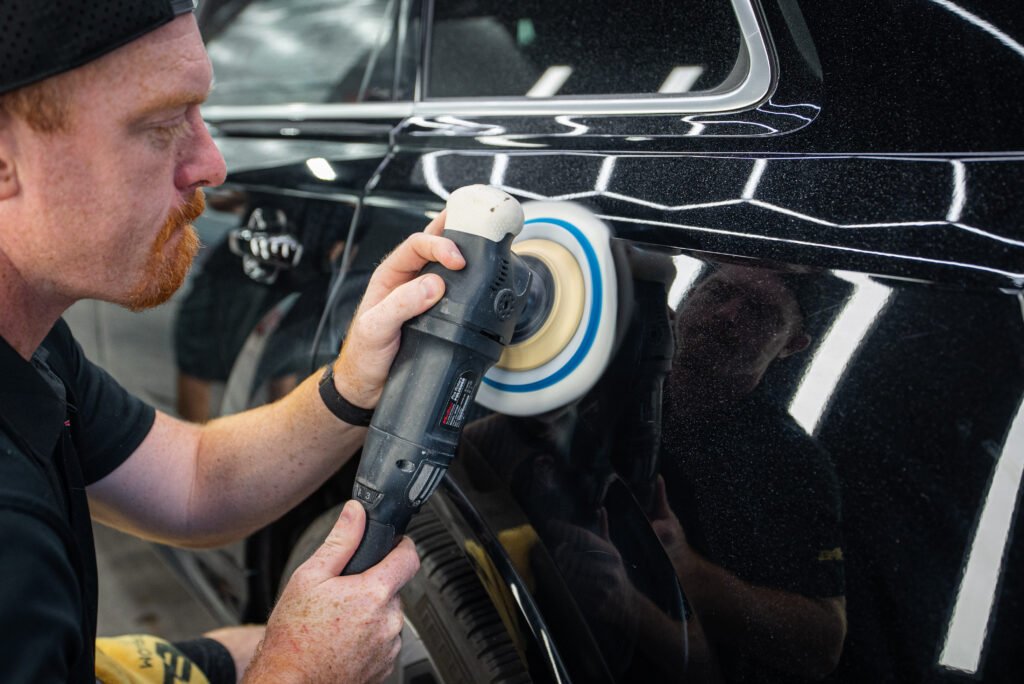
A new vehicle doesn’t necessarily have defect-free paint. XPEL notes that paint imperfections can occur even on a vehicle that has recently left the dealership. Some imperfections can occur during manufacturing or transportation.
That doesn’t mean every new vehicle needs extensive paint correction. Instead, the paint should be evaluated based on its actual condition.
A vehicle with little or no visible damage may only require a finishing polish, while paint with more noticeable defects may require additional correction.
Paint Correction vs. Detailing: What’s the Difference?
Although the two services can work together, paint correction and routine detailing serve different purposes.
Detailing focuses on cleaning and maintaining the vehicle, while paint correction specifically addresses imperfections in the painted surface through polishing.
If your vehicle is dirty, a thorough detail may be what it needs. If the vehicle is clean but you can still see swirl marks, light scratches, haze, or other correctable paint defects, paint correction may be the next step.
How Much Paint Correction Does My Vehicle Need?
There isn’t one level of paint correction that’s right for every vehicle.
The appropriate stage of paint correction depends on the condition of the paint and the type and severity of the imperfections present. A vehicle with minor defects may require less correction, while more noticeable swirl marks, scratches, or other imperfections may call for a more involved process.
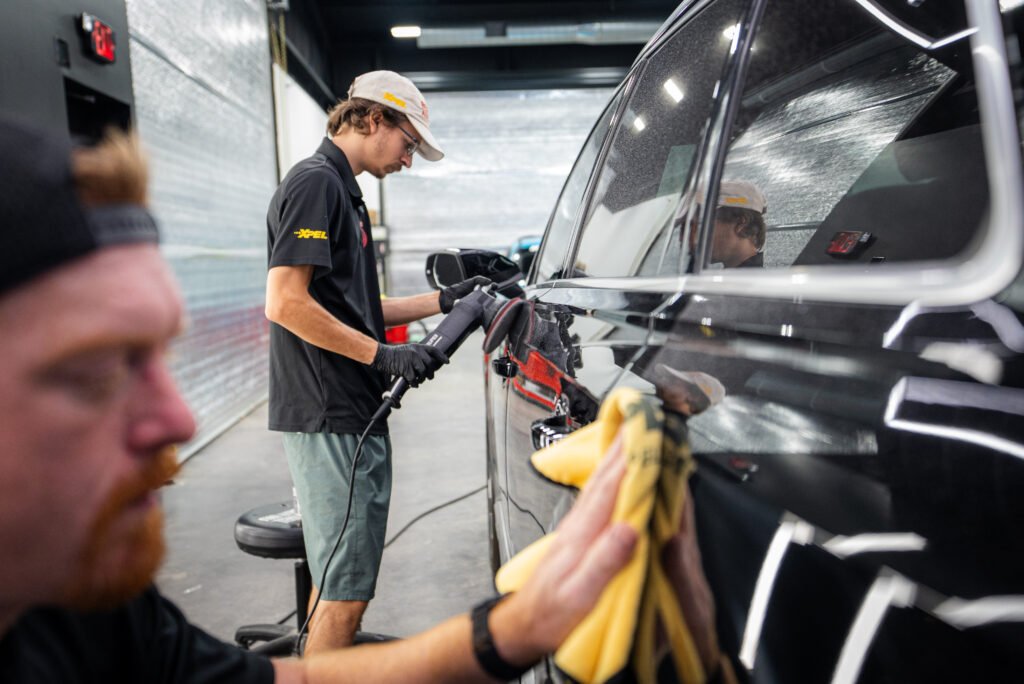
At Bespoke Auto Pros, we assess the condition of your vehicle’s paint to determine which stage of paint correction best fits its needs and the results you’re looking to achieve.
Paint Correction in The Woodlands, TX
If you’ve noticed swirl marks, light scratches, haze, or other imperfections in your vehicle’s finish, paint correction may help restore a cleaner and more refined appearance.
It can also be an important step when preparing your vehicle for ceramic coating, allowing existing correctable imperfections to be addressed before the coating is applied.
Bespoke Auto Pros provides professional automotive detailing, paint correction, ceramic coating, paint protection film, and window tint services for drivers in The Woodlands, Magnolia, Montgomery County, Tomball, Spring, Conroe, and surrounding North Houston areas.
Not sure whether your vehicle needs paint correction? Book your appointment today and let our team assess the condition of your paint and help you determine the right approach for your vehicle.